
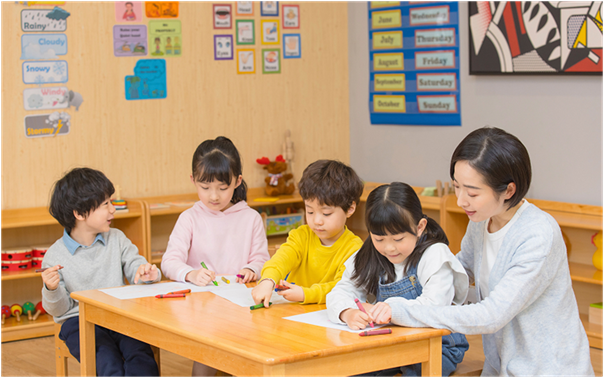
Chinese tuition in Singapore has become common for families to enhance language proficiency. Yet, it’s shifting from rote drills to engaging enrichment. Hubs like Marine Parade now host Chinese enrichment class programmes that blend exam prep with flair. Here’s where confidence blooms, cultural bonds strengthen, and surprise insights emerge from classroom corners.
How a Typical Tuition Session Unfolds
Stepping into a Marine Parade classroom, you’ll sense a methodical rhythm and engaging energy. Sessions begin with a vocal warm-up. Students read aloud in Mandarin, building pronunciation and presence.
After this, the focus shifts to comprehension: short passages are analysed together, and then students summarise them in their own words. This practice builds active reading skills and vocabulary extension rather than passive memorisation.
The heart of the session is writing. Students craft short essays or dialogue based on topics introduced earlier. Teachers encourage creative expression, emphasising clarity and correct grammar.
Finally, a dynamic wrap-up includes peer reviews, mini-debates, or quizzes that reinforce learning while boosting engagement. These elements combine in ways that make a Chinese enrichment class feel stimulating yet structured.
Smart Tips from Educators
According to seasoned tutors, consistency is vital. Attend regularly even when students feel they “understand” the material. Consistent reinforcement strengthens memory retention and builds confidence. Parents should also engage in their child’s learning by asking open-ended questions about lessons, rather than just checking homework.
Avoid certain don’ts, like swapping centres mid-term or focusing solely on exam techniques. Such shortcuts may boost short-term scores but don’t foster enduring skills or genuine interest. Distractions during class also risk diluting focus and participation. Notably, choosing a tuition centre in Marine Parade near your residence or Parkway Parade ensures reduced travel fatigue and more reliable attendance.
Maximising Your Child’s Learning Experience
To reinforce classroom learning, incorporating Chinese enrichment class content into daily life is invaluable. Introduce simple Mandarin phrases during mealtime or casual conversations; even a “ni hao” can nurture familiarity.
Another tip: audio aids. Tutors often use recorded oral exercises to boost pronunciation.
A key pro tip that emerges from Marine Parade educators? Celebrate small milestones. When a student uses an idiom correctly or reads effectively for their age, highlight that moment.
Where Tuition Sparks Debate
Though Chinese tuition is widely accepted, some critics argue it fosters dependency and narrows independent learning. However, Marine Parade centres address this by emphasising self-study strategies and critical thinking in class.
Another contentious issue centres on fairness. Students from non-Chinese speaking homes may feel disadvantaged by culturally dense content. In response, certain Marine Parade centres have begun offering support streams from different backgrounds.
Additionally, the rise of digital instruction brings mixed reviews. Tuition Centres in Marine Parade thus balances new tech with traditional methods ensuring screen time supports, not replaces, authentic interaction.
Behind the Scenes of Marine Parade Tuition Centres
Surprisingly, many tuition centre in Marine Parade programmes are led by former MOE specialists who helped draft primary school Chinese syllabi. This gives these centres insight into exam patterns and curriculum shifts before they’re publicly broadcast.
Another eye-opener: tuition centres frequently employ small-group oral coaching that includes mock dialogues recorded for review. This type of evidence-based feedback has been shown to enhance oral fluency by over 30% within six months.
Quality assurance is a priority. Marine Parade centres maintain consistent standards through cross-site lesson audits. Parents rarely see this level of oversight in private tuition setups.
What to Look For in a Tuition Centre
Choosing a Chinese enrichment class requires careful assessment. First, curriculum alignment. Ensure the centre’s materials match MOE standards and are regularly updated.
Second, teacher credentials matter. Small group classes taught by experienced or degree-certified educators often deliver stronger results.
Third, class size: Marine Parade centres typically cap at 6–8 students, which facilitates personalised feedback and peer interaction.
Fourth, accessibility: being near Parkway Parade or Marine Parade MRT minimises drop-off stress and improves attendance.
Fifth, transparency on progress. Centres that include parental engagement are better at integrating learning into home habits.
Finally, flexibility: consider whether make-up classes are offered, what happens during MST or PSLE season, and how holiday revision is integrated. These practicalities can significantly affect a student’s learning rhythm.
The Quiet Power of Marine Parade Tuition
The evolving landscape of Chinese tuition and Chinese enrichment classes in Marine Parade shows how language education can evolve thoughtfully, merging academic rigour with cultural and conversational engagement. These centres deliver confidence, curiosity, and improved brain function, all while supporting Singapore’s bilingual commitments.
For parents seeking more than a quick score fix, a well-chosen tuition centre in Marine Parade offers long-term value. Not only do students learn the language, but they begin to live it with confidence, understanding cultural nuance, and applying skills in real-world contexts. And that, ultimately, is what makes tuition worth revisiting.
