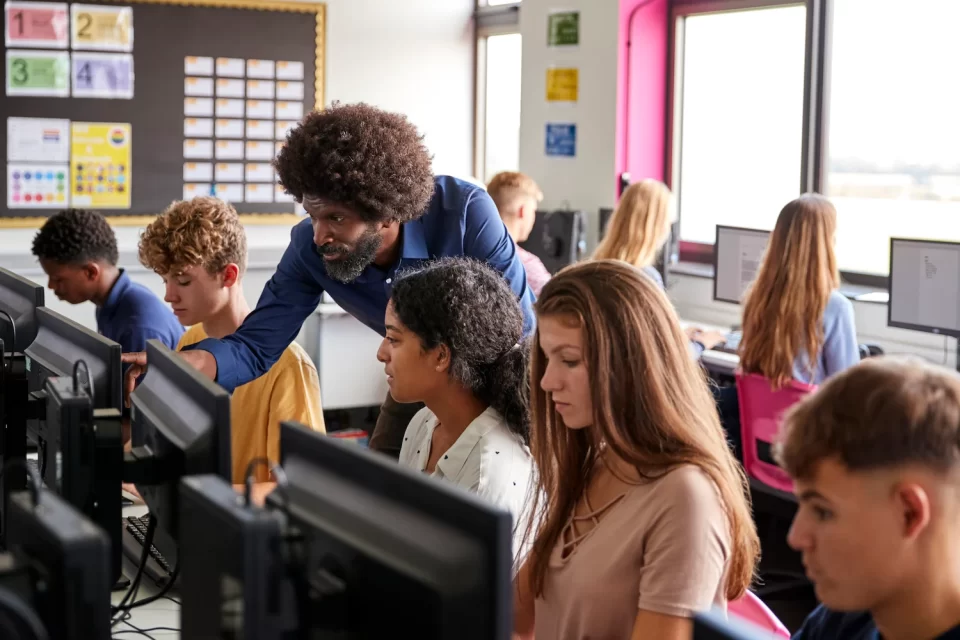
More than just teaching courses, preparing students for academic development today calls for encouraging flexibility, critical thinking, and purpose. An internationally accepted curriculum offers a framework whereby academic growth and personal aspirations are tightly entwined rather than independent pathways. Organizations such as owis punggol understand the need to establish learning environments where global standards satisfy personal objectives, thereby providing students with a platform to achieve academically and choose their own way.
Global Curriculum With Purpose
A globally organized curriculum gives pupils the chance to interact with many ideas, concepts, and problem-solving strategies outside of one national perspective. These mass communication course are meant to push students with age-appropriate advancement so that basic knowledge leads into clearly defined advanced applications. The goal is not only to pass tests but also to enhance knowledge in ways relevant anywhere. Students following these paths encounter a learning model that prizes investigation, analysis, and application. Whether it’s literature, algebra, or global studies, the emphasis still is on building a strong academic core that prepares students for moves to higher education wherever in the globe. The wide intellectual exposure also motivates students to make significant links across many fields of study and think across disciplines.
Personalized Alignment With Goals
The degree of academic preparation depends mostly on the alignment between personal goals and classroom experiences. Organizations like owis punggol let students investigate their talents and grow in new areas of interest by including personal learning objectives within the larger academic structure. This alignment encourages responsibility in learning, so it provides students with a clear motivation to interact closely with their topics. Setting goals becomes second nature to the academic process as students are urged to consider both long- and short-term goals. Whether a student finds creative inquiry or analytical topics appealing, the global curriculum has enough flexibility to enable several learning paths. In this method, teachers guide students in tracking development and modifying goals depending on changing interests.
Structured For Long-Term Success
Along with supporting instantaneous learning results, a strong academic path gets students ready for the following phases of their education. Emphasizing both academic knowledge and personal development helps a student develop their capacity for adaptation, teamwork, and independent thinking—qualities needed outside of the classroom. This strategy supports the view that academic preparedness is a developing condition rather than a fixed point.
Global paths also coincide with university expectations, therefore giving students credentials and competencies accepted worldwide. Students come to view development as a lifelong journey when academic systems stress assessment as a tool for feedback and improvement rather than only evaluation. They are ready not only for academic success but also for confidently and clearly negotiating difficult tasks.