
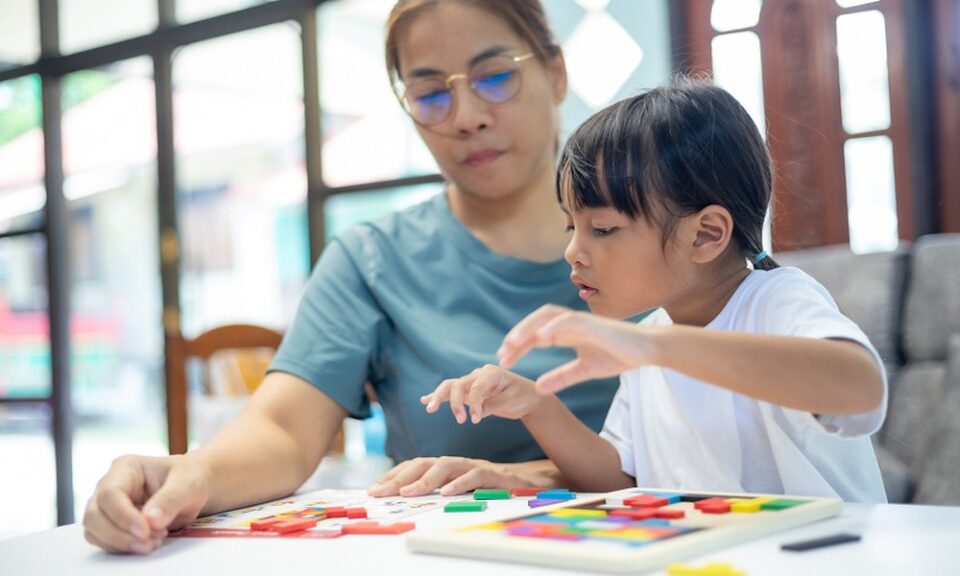
Parents often enrol their children in preschool enrichment with a clear expectation: that the skills learned will last beyond the classroom. Yet many still wonder whether these programmes truly lead to long-term development or if the benefits fade once classes end. Knowing how retention works in early childhood helps clarify what preschool enrichment can realistically deliver.
What “Skill Retention” Means in Early Childhood
Skill retention in preschool-aged children does not mean memorising information or recalling facts on demand. It refers to the ability to apply learned behaviours, such as communication, problem-solving, emotional regulation, or early numeracy, across different settings and over time. A quality enrichment centre in Singapore typically focuses on building foundational habits rather than isolated outcomes. These habits, once reinforced, become part of how a child interacts with their environment, making retention more natural than forced.
Why Some Skills Last Longer Than Others
Not all skills are retained equally. Social interaction, language use, and emotional awareness tend to stay with children longer because they are used daily at home and in school. In contrast, highly structured academic content may fade if it is not revisited regularly. Preschool enrichment programmes that integrate learning into play, conversation, and routine activities are more likely to produce lasting results. Repetition through varied experiences is what strengthens retention at this age, not drilling or rigid instruction.
The Role of Teaching Approach in Retention
How skills are taught matters as much as what is taught. Enrichment centres that rely heavily on worksheets or passive instruction often see weaker retention outcomes. Children may perform well during lessons but struggle to apply those skills elsewhere. In contrast, programmes that encourage exploration, questioning, and guided interaction allow children to internalise concepts more deeply. Once a child understands why they are doing something, rather than simply following instructions, retention improves significantly.
Consistency Between Enrichment and Home Environment
Preschool enrichment does not work in isolation. Skills are reinforced when there is alignment between what children experience in class and what happens at home. Simple actions, such as encouraging a child to verbalise choices, solve minor problems independently, or practise turn-taking, help anchor what they learn at an enrichment centre. Once parents recognise and support these behaviours, retention becomes a shared effort rather than the sole responsibility of the programme.
Frequency and Duration Matter More Than Intensity
Many parents assume that more hours automatically lead to better outcomes. In reality, moderate and consistent exposure is more effective than intensive but short-lived enrolment. Preschool enrichment works best when sessions are regular enough for reinforcement but not so frequent that children become disengaged. Retention improves when learning is spaced out, allowing time for children to process, practise, and revisit skills naturally.
Measuring Retention Beyond Immediate Results
Progress in preschool enrichment should not be judged solely by immediate performance. Genuine retention is often observed weeks or months later, when a child independently demonstrates skills without prompting. This manifestation might appear as improved communication with peers, greater confidence in unfamiliar settings, or better emotional control during challenges. These outcomes are subtle but meaningful indicators that learning has taken root.
When Retention Appears Limited
There are cases where parents feel skills have not been retained. This situation often happens when programmes are misaligned with a child’s developmental stage or learning style. Preschool enrichment is most effective when it matches a child’s readiness rather than pushing predetermined benchmarks. Adjustments in approach, pacing, or class structure can significantly improve retention over time.
Conclusion
Children do retain skills learned from preschool enrichment, but retention looks different from traditional academic learning. It shows up in behaviour, communication, and adaptability rather than testable outcomes. Once delivered thoughtfully, preschool enrichment provides lasting foundations that continue to support a child’s development well beyond the classroom.
Contact Learning Point and discover a preschool enrichment programme that focuses on long-term skill development rather than short-term results.
