
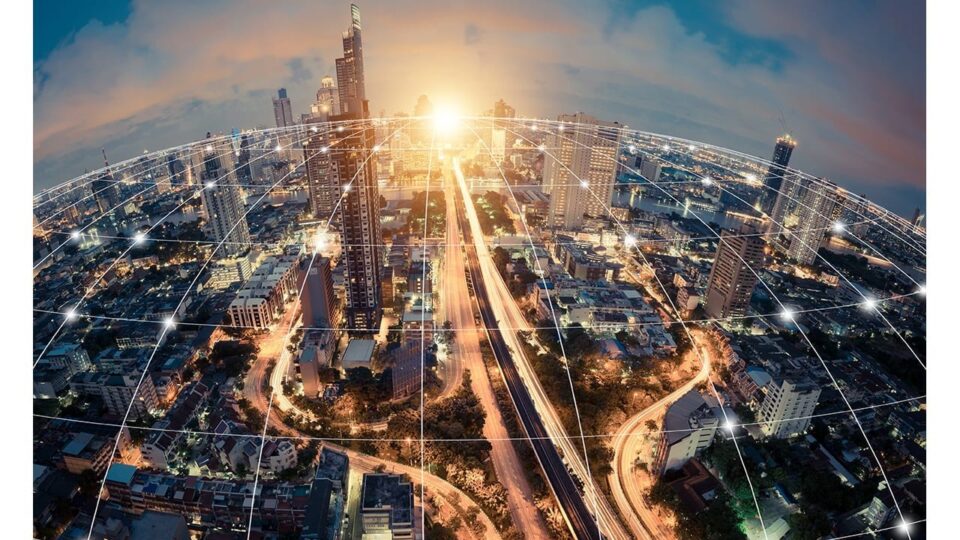
Urban planning is no longer limited to paper-based maps, static blueprints, and long decision cycles. In the age of smart cities, areas like Marathahalli, a rapidly growing tech and residential hub in Bangalore, are embracing cutting-edge technologies to make planning smarter, more efficient, and community-focused. One such revolution is the integration of Digital Twins with Data Science. This fusion not only provides real-time insights but also enables city planners, architects, and municipal bodies to make data-driven decisions that enhance livability, traffic flow, energy usage, infrastructure design, and sustainability.
In this blog, we explore how Digital Twins and Data Science are being applied in urban planning, especially in a bustling locality like Marathahalli. We will also highlight how aspirants can gear up for this evolving career landscape through data scientist classes.
What are Digital Twins in Urban Planning?
A Digital Twin is a virtual replica of a physical object, process, or system. In urban planning, it refers to the digital counterpart of an entire city or a locality — incorporating everything from roads, traffic lights, buildings, water supply, sewage systems, public parks, and population density. What makes Digital Twins powerful is their ability to simulate real-time conditions using live data streams from IoT sensors, mobile networks, weather feeds, and more.
For a neighbourhood like Marathahalli — known for its dynamic traffic patterns, high-rise apartments, tech parks, and ongoing construction — a digital twin can provide planners with a living, breathing virtual model. This allows them to assess the impact of a new flyover, predict water shortages, manage traffic congestion, and optimise public service delivery.
How Data Science Powers Digital Twins?
While the concept of digital twins provides the structural framework, Data Science gives it the intelligence to function. Data collected from sensors, cameras, traffic lights, and mobile applications is analysed using machine learning algorithms, statistical models, and geospatial analytics to provide actionable insights.
Let’s say the Bruhat Bengaluru Mahanagara Palike (BBMP) wants to analyse peak traffic hours in Marathahalli junction and understand pedestrian movement near the multiplex. A data-driven digital twin can analyse data to simulate “what-if” scenarios — such as how a new pedestrian skywalk or traffic diversion would impact congestion or safety.
This is where professionals trained through data scientist classes play a crucial role. They are skilled in interpreting complex data, training models, and creating simulations that city planners can rely on for informed decisions regarding critical infrastructure.
Key Benefits for Urban Development in Marathahalli
1. Optimised Traffic and Transport Planning
Marathahalli suffers from heavy vehicular congestion due to its proximity to Outer Ring Road and tech parks. Digital twins powered by data science can simulate new road layouts, suggest rerouting strategies, and predict bottlenecks during peak hours.
2. Smarter Infrastructure Design
By understanding how people move through the city and use resources, digital twins can help design buildings, flyovers, drainage systems, and pedestrian pathways that better serve real-life conditions.
3. Environmental Monitoring
Sensors feeding real-time data into digital twins can track pollution levels, water quality, and temperature fluctuations in real-time. Planners can then develop eco-friendly strategies — from green belts to smart drainage systems — that are particularly needed in dense urban areas like Marathahalli.
4. Disaster Preparedness and Resilience
Digital twins can simulate floods, fires, or other natural disasters to analyse their potential impact on infrastructure and population. This data allows authorities to pre-plan emergency services, evacuation routes, and resource allocation.
5. Citizen Engagement and Smart Governance
With mobile apps and visual dashboards, citizens of Marathahalli can directly interact with planning models — suggesting improvements, reporting issues, or tracking development work. This level of transparency and responsiveness is crucial in today’s civic governance.
Skillsets in Demand: Role of Data Scientists
To operate digital twins effectively, professionals need more than just urban planning knowledge. They must be proficient in Python, R, geospatial tools such as QGIS, real-time data processing platforms, and AI/ML modelling. With cities like Bangalore gearing up for large-scale smart city initiatives, the demand for such skills is rising.
Mid-career professionals, fresh graduates, and engineers looking to pivot into smart infrastructure roles can benefit from enrolling in data scientist classes that emphasise real-world projects, tools used in urban simulations, and public policy integration.
Education Gateway: The Need for Specialised Courses
With the integration of urban science and data analytics, programs like a Data Science Course in Bangalore are aligning their curriculum to include innovative city projects, civic data analytics, and spatial computing. These courses are increasingly offering exposure to real-world data sets from local bodies, municipal projects, and startup ecosystems.
For aspirants based in Marathahalli and other Bangalore suburbs, this means easier access to classroom and online resources, mentorship from experts working in India’s smart city projects, and even opportunities to collaborate on actual planning tasks using digital twin platforms.
Real-World Applications Already in Motion
Several smart initiatives across Bangalore show how data science is shaping modern city development:
- Bangalore Smart City Initiative: Leveraging data-driven traffic management systems.
- BBMP Digital Records: Using data science to manage land records and illegal construction tracking.
- Water Supply Optimisation: Analysing usage data to optimise supply schedules and detect leaks.
With Marathahalli evolving into a residential-tech-commercial triangle, it presents the ideal testbed for deploying digital twin technology, backed by robust data analysis.
Conclusion: A New Era for Urban Planners and Data Professionals
The combination of Digital Twins and Data Science is poised to revolutionise how cities like Marathahalli evolve. From efficient transportation to climate-conscious building design, the possibilities are endless. But to unlock this potential, we need a new breed of professionals — those who are not only data-savvy but also understand the language of cities.
For tech professionals, urbanists, and data enthusiasts, a Data Science Course in Bangalore offers a perfect launchpad into this high-impact domain. Whether you want to simulate traffic in your neighbourhood, model the impact of a metro line, or work with civic authorities to plan greener cities, this intersection of data and urban design is where the future lies.
Take the next step today — explore a course that connects data, cities, and change.
For more details visit us:
Name: ExcelR – Data Science, Generative AI, Artificial Intelligence Course in Bangalore
Address: Unit No. T-2 4th Floor, Raja Ikon Sy, No.89/1 Munnekolala, Village, Marathahalli – Sarjapur Outer Ring Rd, above Yes Bank, Marathahalli, Bengaluru, Karnataka 560037
Phone: 087929 28623
Email: enquiry@excelr.com
