
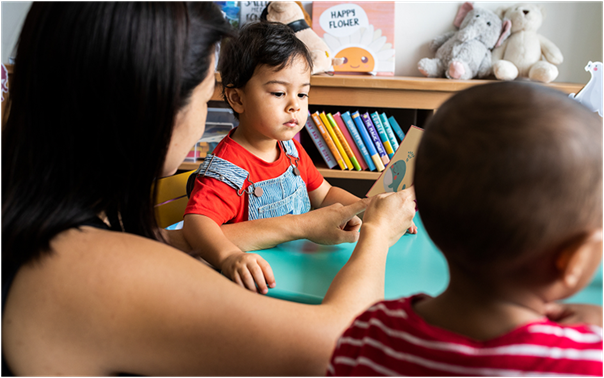
As more families in Singapore rely on dual incomes, the demand for reliable and high-quality childcare has grown steadily. Choosing the right centre involves more than comparing prices; it requires understanding what each facility offers in terms of education, care, and convenience. Whether you’re a first-time parent or planning a return to work, understanding what to expect from childcare in Singapore helps you make informed decisions that support your child’s early development.
Understanding the Cost of Childcare in Singapore
Childcare in Singapore varies significantly in price depending on the type of centre and location. Full-day childcare services at government-supported centres (Anchor Operators) typically range from S$700 to S$1,000 per month before subsidies. Private centres often charge higher fees, starting from S$1,200 and reaching up to S$2,000 per month for premium services or extended hours.
Parents should also account for one-time registration fees, uniform costs, and annual miscellaneous charges. Fortunately, the government provides substantial subsidies through the Basic and Additional Subsidy schemes, especially for working mothers. These subsidies help make childcare more affordable for households with lower incomes or a higher number of dependents.
What to Expect in Terms of Quality
Quality childcare in Singapore focuses on a structured curriculum, safe environments, and trained educators. Centres are regulated by the Early Childhood Development Agency (ECDA), which ensures standards for staffing ratios, learning frameworks, and hygiene. Many centres implement play-based learning that fosters emotional, cognitive, and social development.
Parents can expect bilingual teaching (typically English and Mandarin), everyday routines that include storytelling, music, motor skills development, and basic numeracy. Teachers undergo formal training and are often certified in early childhood education. High-quality centres will also engage parents through regular progress updates, open houses, and parent-teacher meetings.
Choosing the Right Childcare in Yishun
For families living in the north, childcare in Yishun offers a mix of accessible government-supported centres and private options. Yishun has several childcare centres. They are conveniently located in residential clusters, malls, and community hubs, which makes drop-offs and pickups efficient for working parents.
Parents should assess the centre’s proximity to home or workplace, cleanliness, curriculum, and teacher-child interaction before enrolling. A visit during operating hours provides a realistic picture of daily activities and safety measures. Many centres for childcare in Yishun also cater to infants, toddlers, and nursery-aged children, offering flexibility for families with more children.
Key Features to Consider When Selecting a Centre
1. Curriculum Approach – There are inquiry-based, Montessori, and Reggio Emilia preschools in Singapore, so it’s crucial to understand what fits your child’s learning style and choose one appropriate for them.
2. Teacher Qualifications – Ensure staff and teachers have the credentials, practice, and training for early childhood care and development.
3. Teacher-Child Ratio – Lower ratios mean more individual attention. Look for centres that keep classes small.
4. Nutrition and Meals – Balanced meals are crucial, so it’s essential to check the weekly menu for variety and dietary accommodations.
5. Safety Protocols – Enquire about emergency response plans, hygiene routines, and childproofing of play areas.
6. Communication Channels – Centres that update parents regularly through apps or weekly reports show transparency.
Subsidies and Support for Working Parents
The Singapore government supports families through the Baby Bonus Scheme and subsidies for infant and childcare. Working mothers can receive up to S$300 in basic subsidies, as well as an additional amount based on household income under the Additional Subsidy.
Parents must ensure the centre is licensed under ECDA to qualify. Subsidies are disbursed directly to centres, which reflect the net amount in monthly invoices. This support helps working families continue employment while ensuring children receive care in a structured environment.
Common Expectations and Adjustment Periods
Children may need two to four weeks to adjust to new routines. Centres usually help ease the transition by allowing shorter initial sessions or inviting parents to observe. Expect some emotional outbursts, especially from younger children.
Teachers are crucial in helping children settle through consistent routines and bonding activities. Parents should support this adjustment by discussing the experience positively and establishing regular sleep and mealtime habits at home.
Conclusion
Choosing the right childcare in Singapore requires careful consideration of cost, quality, and location. From government-funded centres to premium private ones, parents have access to diverse options, including trusted providers of childcare in Yishun. Always assess the centre’s environment, teaching quality, and alignment with your child’s needs before making a decision.
Ready to explore quality childcare options that match your family’s needs? Visit Apple Tree Playhouse today to learn more!
