
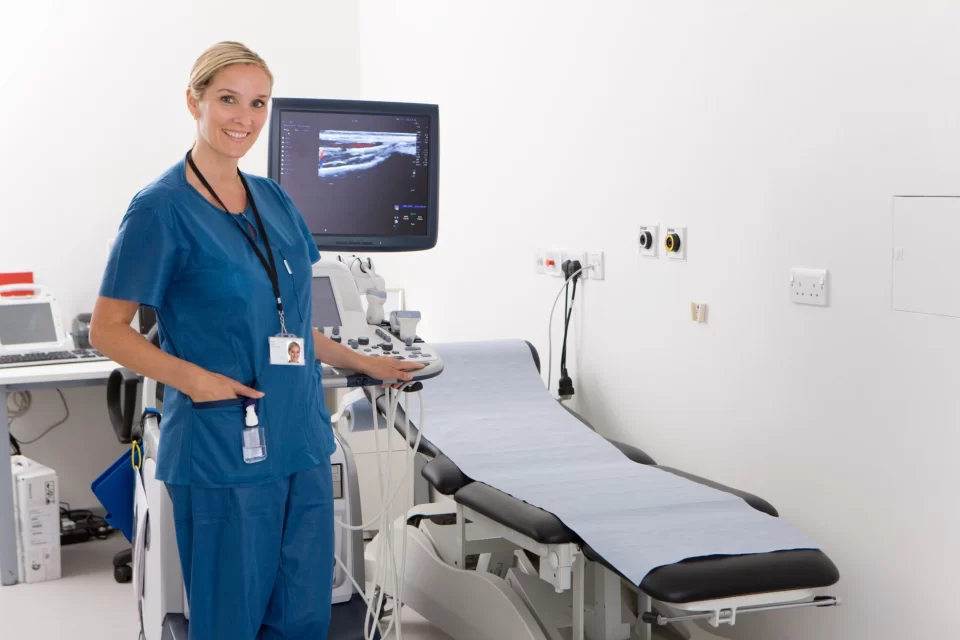
Choosing a career in diagnostic sonography means preparing to operate advanced imaging equipment and support physicians by providing crucial visual information about a patient’s internal anatomy. Sonographers play a vital role in numerous clinical settings, including hospitals, outpatient clinics, cardiology offices, and obstetric imaging centers. The process of securing a sonographer job involves a combination of formal education, clinical experience, professional certification, and a focused job search strategy. This article outlines the steps people take to enter this field, the qualifications required, and what to expect in terms of training and compensation for sonographer jobs.
Education is the first major component of the journey to becoming a sonographer. Most employers expect applicants to have completed an accredited educational program in diagnostic medical sonography or ultrasound technology. These programs may be offered at community colleges, universities, or vocational schools in the form of certificate programs, associate degrees, or bachelor’s degrees. Coursework typically covers anatomy, physiology, medical terminology, sonographic physics, and instrumentation. Students learn how to produce high-quality diagnostic images and interpret basic findings. Practical learning is reinforced through supervised clinical experiences in healthcare settings where students practice scanning techniques and patient communication.
Prospective sonographers should choose programs that are accredited by recognized agencies. Accreditation ensures the curriculum and clinical training meet established quality standards. Graduates of accredited programs are often eligible to sit for national certification examinations. Employers typically give preference to candidates who have graduated from accredited programs, as this demonstrates readiness for professional practice. For detailed information on occupational roles, job responsibilities, salary data, and employment trends for diagnostic medical sonographers and related imaging professions, the U.S. Bureau of Labor Statistics provides a comprehensive profile at https://www.bls.gov/ooh/healthcare/diagnostic-medical-sonographers.htm.
After completing an educational program, many sonographers pursue national certification. While certification may not be legally required in all states, it is widely recognized by employers as a mark of professional competence. The American Registry for Diagnostic Medical Sonography and other credentialing bodies offer exams in specialties such as abdomen, obstetrics and gynecology, vascular technology, and echocardiography. Successfully passing these examinations leads to credentials that are often listed on job applications and professional resumes. Certification can enhance job prospects and may be linked to higher salary potential. Aspiring sonographers should review certification eligibility criteria and study resources to prepare for these exams.
In addition to national credentials, some states have specific licensure or registration requirements for sonographers. These requirements vary and may include additional exams, background checks, or continuing education obligations. Candidates should check with state regulatory agencies to confirm whether licensure is required where they plan to practice. Maintaining professional credentials often involves completing continuing education hours each year to stay current with evolving imaging technologies, safety standards, and best practices in patient care. Sonographers who actively pursue professional development tend to be more competitive in the job market.
Gaining hands on experience during your training is critical to building a strong resume. Clinical rotations and internships allow students to work directly with patients and experienced sonographers. During these experiences, students learn how to position patients properly, use ultrasound transducers to capture diagnostic images, and interact with physicians to ensure images meet diagnostic needs. Sonographers must also develop strong communication skills, as they often explain procedures to patients, answer questions, and comfort individuals who may be anxious about their examinations. Employers look for applicants who demonstrate both technical skill and patient centered care.
Building a professional network can also support your job search. Joining professional associations, attending imaging conferences, and participating in local healthcare events can help you connect with practitioners and potential employers. Associations such as the Society of Diagnostic Medical Sonography provide ongoing education, career resources, and industry news to help professionals grow in their roles. Networking opportunities can lead to job leads that may not be widely advertised, and mentors can offer guidance as you refine your clinical interests and career goals.
When assembling application materials for sonographer positions, your resume should clearly outline your educational background, clinical experience, certifications, and any specialized skills such as cardiac or vascular imaging. Letters of recommendation from clinical instructors or supervising sonographers can strengthen your candidacy by highlighting your clinical judgment and professionalism. During interviews, you may be asked to describe specific imaging procedures, how you ensure image quality, and how you prioritize patient comfort and safety. Preparing thoughtful, concise responses can help employers assess your readiness for independent practice.
Compensation for sonographers varies based on experience level, geographic location, practice setting, and area of specialization. Entry level sonographers may begin in smaller clinics or general imaging departments, while those with advanced credentials in high demand specialties such as vascular or cardiac sonography may qualify for higher salaries. In addition to base pay, many imaging professionals receive benefits such as health insurance, retirement plans, paid time off, and continuing education stipends. Understanding the financial aspects of the profession can help you set realistic expectations as you enter the field.
Pursuing a career in diagnostic medical sonography is a rewarding choice for individuals who enjoy applying technical skills to improve patient care. By completing accredited education, attaining certification, gaining clinical experience, and demonstrating professionalism in your job search, you can position yourself for success in a variety of healthcare settings.
