
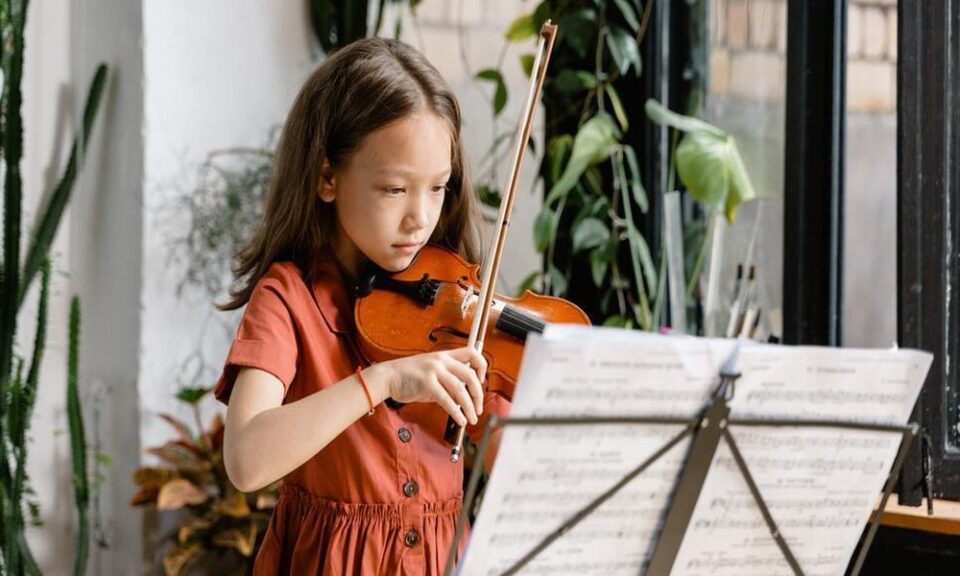
Violin classes for kids represent more than just another extracurricular activity on an already crowded schedule. They offer something increasingly rare in our achievement-obsessed culture: a pathway to discipline, creativity, and resilience that emerges not from competition, but from the deeply personal journey of mastering a beautiful and demanding instrument. Having witnessed countless children discover their voices through music, I have come to understand that early violin instruction serves as a powerful equalizer, offering children from all backgrounds access to skills that extend far beyond the concert hall.
Why the Violin Matters for Young Learners
The violin holds a unique position in music education. Unlike larger instruments that require significant physical maturity, violins come in fractional sizes that accommodate children as young as three or four years old. This accessibility means that youngsters can begin their musical journey during the critical developmental window when neural pathways form most readily.
Research consistently demonstrates what parents and educators observe anecdotally: children’s violin lessons cultivate cognitive abilities that transfer to other domains. The act of reading music whilst coordinating bow movement and finger placement simultaneously engages multiple brain regions, strengthening connections that support mathematical reasoning, language acquisition, and spatial awareness.
Yet the benefits extend beyond measurable cognitive gains. I have watched shy children blossom into confident performers, their posture straightening, their voices growing stronger as they master increasingly complex repertoire. The violin becomes a vehicle for self-expression and a source of legitimate pride.
What Quality Instruction Looks Like
Not all violin lessons for kids deliver equal value. The distinction between mediocre and excellent instruction often determines whether a child develops lasting enthusiasm or abandons the instrument in frustration. Through conversations with educators, parents, and young musicians themselves, several crucial elements of effective pedagogy emerge:
Age-appropriate methodology
Recognition that young children learn differently from adults, requiring instruction that incorporates play, movement, and imagination rather than rigid technical drilling
Proper sizing and setup
Ensuring that instruments match the child’s physical dimensions, preventing the poor posture and tension that plague students who struggle with ill-fitting violins
Balance between technique and musicality
Avoiding the trap of endless exercises divorced from actual music-making, whilst simultaneously building the technical foundation that enables expression
Patient progress
Understanding that children develop at varying rates and that pushing too hard too fast often backfires, creating anxiety rather than accomplishment
Positive reinforcement
Creating an environment where mistakes become learning opportunities rather than sources of shame
Parental involvement
Guidance for families about practice support, without transforming homes into battlegrounds
The Singapore Context
Singapore’s educational landscape presents both opportunities and challenges for families considering kids’ violin classes. The city-state’s emphasis on excellence and achievement creates strong infrastructure supporting music education, with well-trained instructors and abundant performance opportunities. However, this same culture sometimes generates pressure that can undermine the joy essential to sustained musical engagement.
Parents here face particular dilemmas about balance. How do you encourage consistent practice without turning music into another stressor? How do you support your child’s development without living vicariously through their achievements? These questions have no universal answers, but they demand thoughtful consideration.
Starting the Journey
Beginning violin instruction for kids requires more than simply signing up for lessons. Families must consider several practical and philosophical questions. Does your child show genuine interest in the instrument, or are you projecting your own aspirations? Can your household accommodate daily practice, including the inevitable squeaks and scratches of early learning? Are you prepared to support this commitment for years rather than months?
One parent I interviewed described her daughter’s first year: “There were moments I questioned whether we should continue. The sounds were painful, the practice battles exhausting. But we persisted, and watching her perform her first recital piece with genuine pride made every difficult moment worthwhile.”
The Practice Reality
Honesty compels acknowledgement of a central truth: progress on the violin requires consistent practice. Children’s violin training cannot succeed through lesson attendance alone. Young students need daily engagement with their instruments, even if only for 15 or 20 minutes initially.
This reality places demands on families. Someone must monitor practice, ensure proper technique, and provide encouragement when frustration strikes. For working parents already stretched thin, this represents a significant commitment. Yet those who manage it often discover unexpected benefits: the structured practice time becomes a ritual that brings calm to hectic evenings, and the child’s visible progress provides shared joy.
Long-Term Value
The skills developed through sustained violin study transcend music itself. Children learn that meaningful achievement requires patience and persistence. They discover that temporary failure need not be permanent. They develop the work ethic and delayed gratification capacity that serve them across life’s domains.
Moreover, violin classes for young learners introduce children to a global language that connects across cultures and generations. A child who can play violin can participate in orchestras, chamber groups, and informal music-making sessions throughout their life, building community wherever they go.
Making It Work
Success with violin classes for kids demands realistic expectations, genuine support, and recognition that the goal is not producing prodigies but nurturing well-rounded individuals who possess discipline, creativity, and the profound satisfaction that comes from mastering a challenging skill. In Singapore’s pressure-cooker environment, these lessons matter more than ever, offering children a counterbalance to purely academic achievement and a lifelong source of joy, comfort, and connection through violin classes for kids.
