
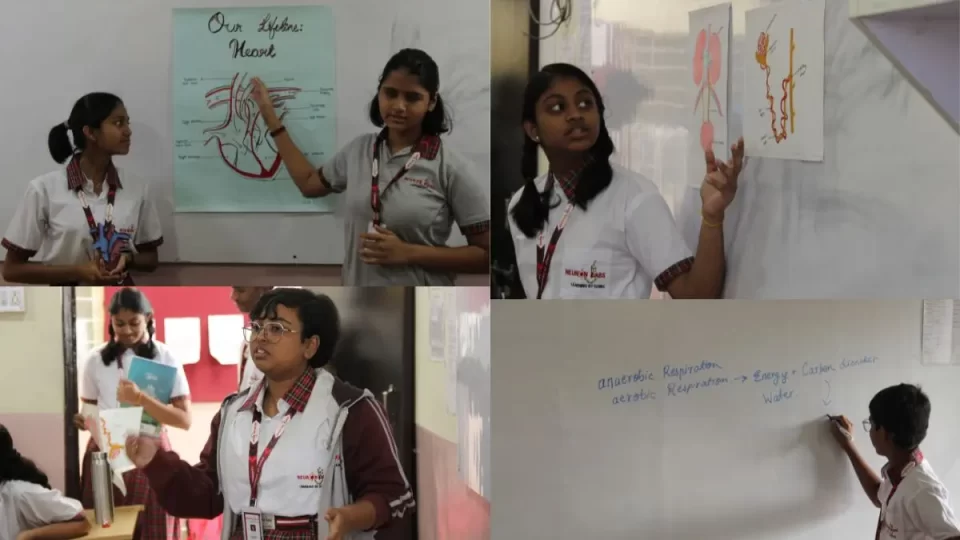
Hands-on learning has become an important part of how children understand new ideas. Many schools in Pune now focus on helping students learn by doing rather than only reading or memorising. When children work on activities, experiments, models, or real-life tasks, they understand concepts more clearly and remember them for a longer time. Parents also prefer schools that offer practical exposure because it helps children stay curious, confident, and active in the classroom. This is why many families look at best international schools in Pune, and even an international high school in Pune that offer strong activity-based learning programs.
Why Hands-On Learning Matters for Children
Builds Clear Understanding of Concepts
Children understand topics better when they see and try things themselves. Whether it’s measuring ingredients in a recipe or building a model of the solar system, practical work helps simplify theories taught in class.
Encourages Curiosity
Hands-on tasks make children more eager to ask questions. This curiosity helps them explore subjects instead of accepting information without thinking.
Improves Attention & Memory
When students are actively involved in their tasks, they stay focused for a longer time. Activities, experiments, and projects help them remember lessons naturally.
Popular Hands-On Learning Methods in Pune Schools
- Classroom Experiments
Many Pune schools include small experiments in science and maths classes. These allow children to test ideas, see results, and understand cause and effect clearly.
- Project-Based Assignments
Students often get long-term projects where they research, create models, prepare presentations, or analyse real-life problems. This method builds communication, planning, and problem-solving skills.
- Learning Through Play
For younger children, play-based activities like puzzles, building blocks, and role-play help develop motor skills, creativity, and early academic concepts.
- Outdoor Learning
Schools encourage field visits to museums, farms, science parks, and nature trails. These trips connect classroom learning to real environments and help children observe things firsthand.
How Pune Schools Integrate Practical Learning Into Daily Lessons
Activity Corners in Classrooms
Teachers set up theme-based corners such as science tables, maths counters, reading corners, or art stations. Students move between these zones to explore different subjects at their own pace.
STEAM & Makerspace Labs
Many schools now have dedicated labs for coding, robotics, 3D printing, and design activities. These help children build technology skills through exploration and experimentation.
Group-Based Tasks
Working in groups teaches children how to share ideas, plan together, and complete tasks as a team. This builds leadership skills and confidence.
Real-Life Learning Tasks
From measuring ingredients in cooking sessions to creating simple budgets in maths class, real-life tasks help children understand how lessons apply outside school.
Why Parents Prefer Hands-On Learning Environments
Hands-on learning prepares children for real-world challenges. It improves communication, creativity, decision-making, teamwork, and confidence. Parents often look for schools that offer modern teaching methods, balanced classrooms, and plenty of opportunities for active participation. This is one of the reasons why searches for CBSE board schools in Pune, and international high school in Pune have grown steadily.
Hands-on learning has become an essential part of modern education. It helps children understand concepts deeply and encourages them to think independently. The more students interact with activities, the stronger their learning becomes inside and outside the classroom.
Schools such as Global Indian International School (GIIS) continue to support experiential and practical learning approaches that help children grow with confidence, curiosity, and real-world understanding.
