
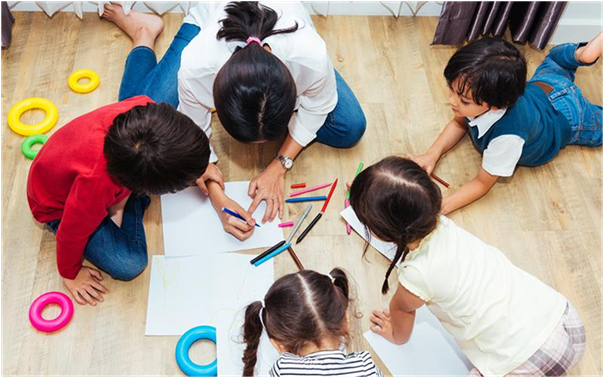
Structured learning is emphasised with early education, but before a child enters preschool, there’s an essential stage that often sets the foundation, which is the playgroup. A playgroup provides a child’s first experience in a social learning environment outside the home, helping them adapt to routines, social interaction, and basic educational concepts. Parents who understand the importance of this stage are better able to plan their child’s transition to formal preschool, making the adjustment smoother and more rewarding despite growing concerns over preschool fees in Singapore.
The Role of Playgroup in Early Learning
Playgroup helps children develop core skills that go beyond academics. Through guided play, children learn to express themselves, share, and build social awareness. Activities such as storytelling, arts, and movement classes promote communication and motor skills, which are crucial for early childhood development. These play-based lessons encourage curiosity, emotional expression, and cooperation.
Attending a playgroup also helps children adjust to being away from home. It introduces them to structure and independence in a safe, nurturing environment. This early exposure to routines helps reduce separation anxiety and prepares children mentally for the more structured schedules of preschool.
Socialisation and Emotional Growth Through Play
One of the main purposes of a playgroup is to teach young children how to interact positively with others. In a group setting, children learn how to share toys, take turns, and communicate their feelings effectively. These social experiences are vital because they help build empathy and resilience, which are skills that contribute to success in both school and personal life.
Through positive social interactions, children also begin to develop confidence. The ability to express themselves and navigate friendships enhances their sense of belonging, which plays a major role in their emotional stability. This foundation allows them to enter preschool ready to form relationships with peers and teachers alike.
Preparing for Academic Readiness
While playgroups focus on exploration and social learning, they also prepare children for the structured academics of preschool. Activities like counting games, music sessions, and storytime introduce basic literacy and numeracy concepts. These hands-on experiences make learning enjoyable and relatable, reducing the likelihood of stress when academic lessons become more formal later on.
Additionally, a good playgroup nurtures curiosity and critical thinking. Teachers guide children to observe, question, and solve problems through interactive play. This type of early stimulation encourages a lifelong love of learning, ensuring children approach future academic challenges with enthusiasm rather than pressure.
What Are Preschool Fees in Singapore?
Parents often consider preschool fees in Singapore when planning their child’s early education path. The cost of preschool varies widely, depending on the school’s curriculum, location, and facilities. However, many families find that investing in early childhood programmes like playgroups is worthwhile, as these foundational experiences influence a child’s learning attitude and adaptability.
Some parents choose to enrol their children in schools that offer both playgroup and preschool programmes under the same system. This continuity allows children to transition smoothly without adjusting to a new environment. For instance, schools like Raffles Kidz International provide consistent teaching philosophies across early learning stages, ensuring that children’s development progresses seamlessly from playgroup to preschool.
Choosing the Right Playgroup for Your Child
When selecting a playgroup, parents should look for programmes that balance structured learning with creative play. Class sizes, teacher experience, and curriculum approach all play a significant role in ensuring the child’s comfort and engagement. Facilities that promote exploration also contribute to a well-rounded experience.
Beyond logistics, parents should consider whether the playgroup’s philosophy aligns with their child’s temperament. Some children thrive in more structured routines, while others respond better to flexible and play-based environments. Observing trial sessions or speaking with teachers can help parents make informed decisions about where their child will feel most supported.
Conclusion
A playgroup serves as a crucial bridge between home and formal education. It fosters emotional growth, builds social confidence, and prepares children for structured learning, all of which lay the groundwork for success in preschool and beyond. While preschool fees in Singapore may influence decisions, parents should view early education as a long-term investment in their child’s future. By choosing the right playgroup and nurturing environment, parents give their children the best possible start to their educational journey.
Give your child a confident start to preschool. Contact Raffles Kidz International to explore their playgroup programmes designed to nurture growth and independence.
