
Modern families face unique challenges when it comes to supporting their children’s development after school hours. Working parents often struggle to provide adequate supervision and enriching activities for their primary school children aged 7-12 years. Quality afterschool care programmes have become essential in bridging this gap, offering structured environments where children can thrive academically and socially.
Understanding the Premium Afterschool Care Model
Premium after-school care operates on principles that prioritise both academic excellence and holistic development. These programmes recognise that children aged 7-12 require more than basic supervision during their formative years. The focus extends beyond homework completion to include character building, social skills development, and creative expression through carefully planned activities.
Academic Support and Homework Assistance
Structured Learning Environment
Afterschool care provides children with dedicated spaces designed for focused learning and academic growth. These environments feature proper lighting, comfortable seating, and minimal distractions to help young learners concentrate on their studies. The structured approach ensures that homework becomes a manageable task rather than a source of stress for both children and parents.
Personalised Academic Support
Each child receives individualised attention based on their unique learning needs and academic challenges. Qualified staff members work closely with students to identify areas requiring additional support and provide targeted assistance. This personalised approach helps children build confidence in their abilities whilst developing essential study skills for long-term success.
Reinforcement of School Learning
After-school care programmes complement classroom instruction by reinforcing concepts taught during regular school hours. Children benefit from additional practice opportunities that solidify their understanding of key subjects. This reinforcement helps bridge any learning gaps and ensures that academic concepts are thoroughly understood before moving to more advanced topics.
Social Development and Peer Interaction
Building Meaningful Friendships
After school care creates natural opportunities for children to form lasting friendships with peers from similar backgrounds. These social connections often extend beyond the programme hours, enriching children’s social lives and emotional development. The multi-age environment allows younger children to learn from older peers whilst developing leadership skills in older students.
Collaborative Learning Opportunities
Group activities and collaborative projects teach children valuable teamwork skills essential for future success. Students learn to communicate effectively, share responsibilities, and work towards common goals in supportive environments. These experiences prepare children for collaborative work in higher education and future professional settings.
Conflict Resolution Skills
Supervised social interactions provide safe spaces for children to navigate disagreements and learn conflict resolution strategies. Staff members guide students through problem-solving processes, teaching them to express feelings appropriately and find mutually acceptable solutions. These skills prove invaluable in building healthy relationships throughout their lives.
Physical Activity and Recreation
Balanced Physical Development
Quality afterschool care includes structured physical activities that promote healthy growth and development in primary school children. Regular exercise helps improve concentration, reduces stress, and contributes to overall well-being. These activities range from organised sports to creative movement, ensuring that every child finds enjoyable ways to stay active.
Outdoor Exploration and Nature Connection
Programmes that incorporate outdoor activities help children develop appreciation for nature whilst engaging in physical exercise. Garden activities, nature walks, and outdoor games provide refreshing breaks from academic work. These experiences contribute to environmental awareness and promote healthy lifestyle choices from an early age.
Creative Expression and Arts Integration
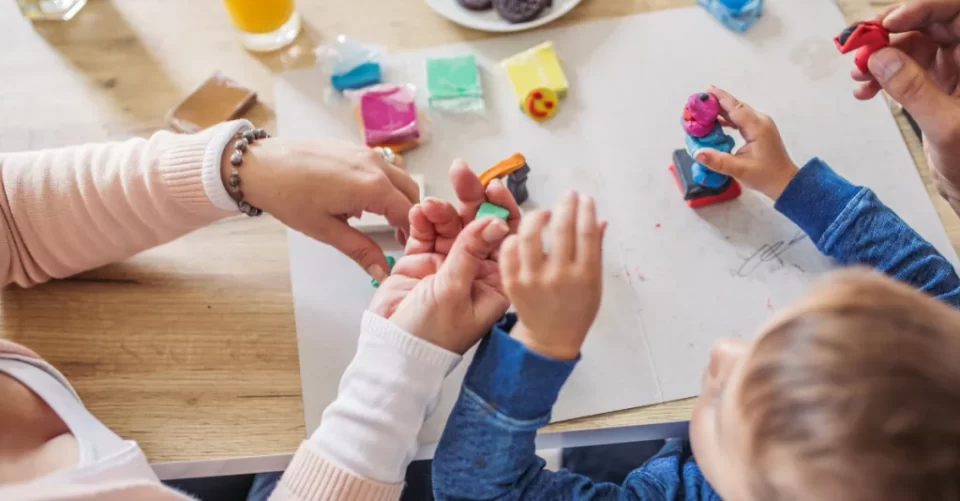
After-school care programmes often include arts and crafts activities that encourage creative expression and fine motor skill development. Children explore various artistic mediums, from painting and drawing to music and drama. These creative outlets provide emotional release whilst developing aesthetic appreciation and cultural awareness.
Supporting Working Parents
Peace of Mind for Families
Professional afterschool care services provide working parents with confidence that their children are safe, engaged, and productively occupied. This peace of mind allows parents to focus on their professional responsibilities without worrying about their children’s wellbeing. The structured environment ensures that children follow consistent routines that support their overall development.
Bridging Home and School
Quality after-school care programmes serve as valuable bridges between home and school environments. Staff members maintain regular communication with parents about their children’s progress, behaviour, and social development. This ongoing dialogue helps ensure that children receive consistent support across all environments, maximising their potential for success and happiness.
