
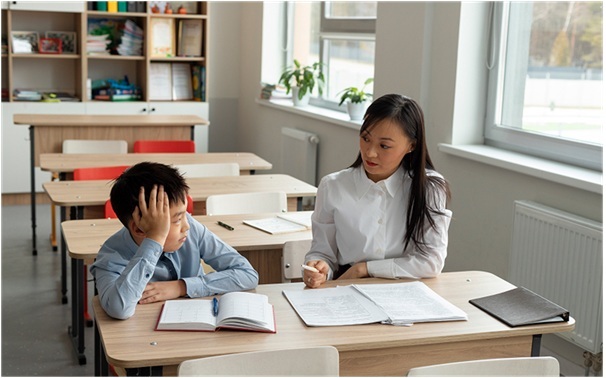
Many parents in Singapore worry about the difficulty of the PSLE Chinese examination. For students who do not speak Mandarin frequently at home, the subject can feel especially overwhelming. Between mastering vocabulary, tackling composition, and performing well in PSLE Chinese oral, the pressure mounts quickly. However, the exam is not impossible to conquer. With the proper support and understanding of its structure, students can approach the subject with greater confidence. This guide clarifies for parents seeking to understand what makes the exam challenging and how PSLE Chinese tuition can offer effective solutions.
Understanding the Structure of PSLE Chinese
The PSLE Chinese exam assesses a student’s ability to apply the language in different contexts. The exam includes paper components such as listening comprehension, reading comprehension, and composition. Each section examines a specific skill, such as inference, vocabulary usage, and grammar accuracy. Many students find the composition section particularly tough, as it requires not only a strong vocabulary but also a clear storyline and structure.
Then, there’s the PSLE Chinese oral component, which adds another layer of difficulty. This segment evaluates reading fluency and spoken interaction. A student must read aloud a passage and respond to a stimulus-based conversation, often involving everyday scenarios. While the oral exam lasts only a few minutes, it needs confidence, accuracy in pronunciation, and the ability to form coherent responses quickly.
Common Challenges Faced by Students
One major hurdle is the irregular use of Mandarin outside the classroom. Many students in English-speaking households have limited opportunities to practise Chinese daily. This action affects vocabulary retention and weakens their fluency over time. Without reinforcement, students tend to forget sentence structures or misinterpret comprehension passages.
Additionally, students often feel anxious about PSLE Chinese oral because it involves speaking under time pressure. Unlike written exams, where students can edit their answers, oral assessments require immediate responses. Those who lack exposure to conversational Mandarin struggle to articulate their thoughts clearly. This is where tailored PSLE Chinese tuition can be a valuable intervention, providing targeted practice and boosting verbal confidence.
How PSLE Chinese Tuition Can Help
Dedicated PSLE Chinese tuition addresses these challenges through focused, structured lessons. Tuition programmes typically break down the exam components and provide students with strategies to tackle each one effectively. For instance, tutors may guide students in dissecting composition questions, planning storylines, and using suitable idiomatic expressions.
For oral preparation, practice sessions often mimic the actual PSLE Chinese oral format. Students read aloud with guidance on intonation and clarity, followed by simulated conversation scenarios. This process familiarises them with the exam setting and improves their ability to think on the spot. Personalised feedback helps them identify their weak points and make steady progress.
Key Features to Look for in a Good Tuition Programme
Parents should select a tuition programme that balances exam techniques with long-term language development. Look for classes that incorporate regular mock tests, vocabulary drills, and listening exercises. These help strengthen a student’s overall grasp of the language, not just prepare for the exam.
Also, check if the programme provides focused oral training. Since PSLE Chinese oral accounts for a significant portion of the final grade, neglecting it could impact overall performance. Tutors who offer individual coaching for oral practice ensure students build the fluency and confidence needed for exam day.
Parental Support Makes a Difference
Even with external help, the home environment plays an important role. Parents can reinforce learning by encouraging their children to use Mandarin at home in small ways, such as through simple conversations, Chinese-language TV shows, or reading short stories. Consistency builds familiarity and helps children feel more at ease when faced with exam materials.
Parents should also manage expectations and focus on progress rather than perfection. Motivation can suffer when children feel overwhelmed, so celebrating minor improvements helps them stay engaged and willing to try.
Conclusion
The PSLE Chinese exam is challenging, but it is far from unbeatable. Its difficulty stems from the layered skills it requires, such as listening, writing, reading, and especially speaking. With consistent exposure, structured support, and targeted PSLE Chinese tuition, students can bridge the gap and build their confidence. Parents who understand the format and actively participate in their child’s learning journey can make the subject feel less daunting and more achievable.
Support your child’s Chinese learning journey with targeted PSLE Chinese tuition. Enquire at Hua Cheng Education Centre to learn more.
