
As a parent in Singapore, navigating the preschool years is like trying to decode a constantly shifting puzzle. One moment it’s about learning through play, the next, it’s about bilingual literacy. And now, Chinese immersion preschools are making headlines. But with all the talk, how do you separate fact from fiction? Whether you’re browsing for a reputable childcare school in Singapore, considering a language-rich curriculum, or trying to figure out if preschool Chinese enrichment in Singapore is worth the hype. From debunking common misconceptions to offering actionable advice and surprising insights, we explore how these programmes are redefining early learning.
No, Your Child Won’t Get Confused
A common concern among parents when exploring a Chinese immersion preschool is whether it might be too much, or too early. Won’t learning two languages confuse my child? What if they struggle with English later on?
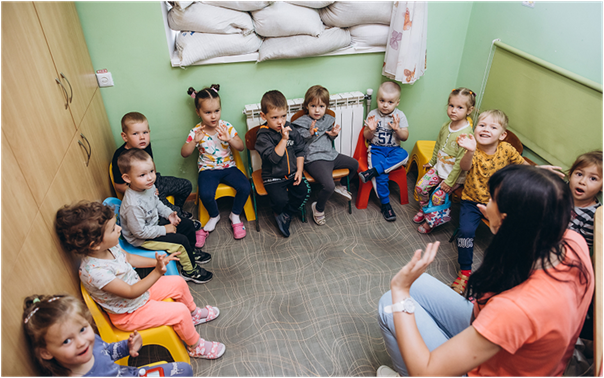
According to studies, young brains are especially primed for language acquisition. Children who are exposed to multiple languages early in life often show enhanced cognitive flexibility and stronger problem-solving skills later on. At a well-established childcare school in Singapore that offers language immersion, students are learning through music, stories, conversations, and sensory play.
Another myth is that Chinese immersion is only effective for families who already speak Mandarin at home. Not true. Many Chinese immersion preschools in Singapore design their programmes to support diverse backgrounds, including children from English-dominant households. The goal is familiarity, fluency, and a positive emotional connection to the language.
It’s also worth noting that immersion doesn’t mean neglecting English. Rather, it builds a bilingual foundation by treating Mandarin as the main vehicle of communication while still developing literacy skills across both languages.
Making the Most of Preschool Chinese Enrichment
Once you’ve enrolled in a Chinese immersion preschool or signed up for preschool Chinese enrichment, the next step is to support that experience at home. This doesn’t mean turning your living room into a second classroom or enrolling in evening tuition. What matters most is consistency and exposure.
Start by using songs and stories. Children’s brains link language to rhythm and repetition, making Mandarin nursery rhymes or animated storybooks incredibly effective. Apps, audiobooks, and YouTube channels featuring native speakers can fill the gap.
Try weaving Mandarin into routines. Labelling household items in Chinese or even counting in Mandarin during play builds passive familiarity. Children absorb language through repeated exposure in meaningful contexts.
If your child is in a childcare school in Singapore with a strong language programme, don’t hesitate to ask their teachers what’s being covered each week. Reinforcing the same themes helps the vocabulary stick. Communication with educators ensures you’re actively supporting your child’s journey.
Lastly, embrace your child’s pace. Language development isn’t linear, and not every week will feel productive. Celebrate small milestones like recognising a character, using a new phrase, or singing along confidently. It’s not about how fast they speak. It’s about how connected they feel.
5 Things Parents Don’t Expect (But Should)
1. Your Child May Start Thinking in Mandarin
Yes, even if you don’t speak it at home. Parents are often surprised when their child spontaneously uses Mandarin words during play or sings in Chinese during bath time. That’s immersion at work.
2. Learning Isn’t Always Obvious
In a Chinese immersion preschool, play is the gateway to language. You won’t always see worksheets or “results,” but trust that learning is happening through dialogue, group work, and routines.
3. It Gets Easier With Time
The first few weeks might feel like your child is overwhelmed or withdrawn. That’s normal. Once they begin to associate Mandarin with fun, safety, and relationships, their engagement grows.
4. You’ll Probably Learn Something Too
Parents frequently pick up words, songs, or phrases through their children. It becomes a shared learning journey, which strengthens the bond between caregiver and child.
5. Long-Term Benefits Go Beyond Language
Immersion isn’t just about bilingualism. Children exposed to preschool Chinese enrichment in Singapore tend to develop better listening skills, stronger memory retention, and a more global outlook.
The Language Leap You Didn’t Know You Needed
For parents navigating the maze of early education in Singapore, it’s tempting to stick to familiar paths. But the most impactful choices are the ones that challenge conventional assumptions. Chinese immersion preschools are proving that language learning can be joyful, intuitive, and deeply empowering. The takeaway is clear: language exposure in early childhood is a gift. The real question isn’t whether your child is ready for it. It’s whether we, as adults, are ready to support the kind of learning that grows beneath the surface. So if you’re on the fence, consider this your invitation to take that leap.
Schedule a visit at Odyssey – The Global Playground today to learn more.
