
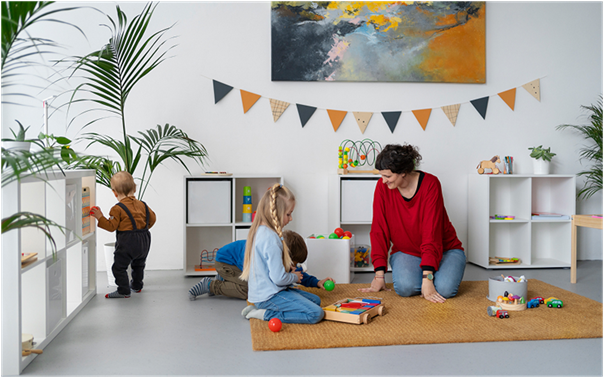
Parents often make early choices about infant care based on instinct or advice from relatives. While experience matters, clinging to outdated beliefs can disrupt a child’s development and affect long-term learning. When selecting infant care in Singapore, it’s worth separating fact from fiction to avoid pitfalls that impact growth and daily well-being. Here’s a closer look at the assumptions that may be doing more harm than good.
1. Believing infants are too young to benefit from structured care
Many assume that structure only benefits older children, but the early months are prime time for developmental foundations. Quality infant care in Singapore doesn’t mimic a classroom, it provides routines that foster comfort, predictability and early responsiveness. This builds the child’s ability to self-regulate and engage with their surroundings. Without these routines, young children may struggle to adapt to new environments later on.
2. Assuming family is always the better option
While family support can be valuable, it doesn’t automatically translate into effective caregiving. Infant care centres are staffed by trained professionals who understand developmental milestones, early communication cues and safety protocols. Over-reliance on untrained family care may lead to overlooked health needs or insufficient stimulation. Balance is key: loving care matters, but expertise supports development.
3. Thinking social interaction doesn’t matter at an early age
Some parents believe infants don’t benefit from peer interaction, but exposure to others lays the groundwork for social and emotional growth. Even simple cooing or observing peers helps babies build empathy, turn-taking and early communication skills. Quality care environments support these moments with guided interaction, which family settings may not always replicate.
4. Expecting instant results from childcare enrolment
Parents often enrol a child expecting them to adapt quickly or show immediate signs of progress. In reality, adjustment can take time. A good provider will ease children into routines gradually, helping them feel secure before pushing developmental goals. Rushing the process or switching centres frequently can disrupt learning and attachment patterns.
5. Underestimating the importance of early sensory experiences
In the first year, a child’s brain forms connections at an extraordinary rate. Environments that provide varied textures, sounds and movement support cognitive growth. Some assume that simple toys or music at home offer the same benefit, but curated sensory exposure in formal care settings is deliberate and structured. This reduces overstimulation while enhancing engagement.
6. Thinking all childcare centres follow the same standards
Not all programmes labelled childcare in Singapore operate at the same level. From caregiver ratios to hygiene policies and curriculum structure, quality varies widely. Parents should not assume licensing alone guarantees high standards. Site visits, staff interactions and curriculum outlines reveal much more than a brochure ever could.
7. Believing care centres replace parental involvement
Outsourcing daycare does not mean disengaging from a child’s early development. The most effective centres complement (not substitute) parental roles. Caregivers may offer strategies or observations, but ongoing communication with parents is crucial. Development is continuous, and transitions between home and centre need to feel seamless for the child.
8. Ignoring the emotional impact of abrupt transitions
Starting childcare without preparation (suddenly leaving the infant in a new setting) can trigger distress. Even infants sense changes in routine. Short introductory visits or trial hours help children (and parents) adjust. Assuming infants won’t notice a change can lead to increased fussiness, feeding difficulties or disrupted sleep patterns.
9. Thinking cost equals quality
Higher fees don’t always translate into better care. Some centres charge more due to location, branding or added extras. Instead of focusing solely on price, assess what your child gains: qualified caregivers, a safe environment, and thoughtful engagement. Low ratios and consistent routines often matter more than imported toys.
10. Dismissing feedback from educators
Some parents feel uneasy when staff suggest adjustments to routines or behaviour. However, caregivers observe children across different social situations and timeframes. Ignoring their feedback can limit your child’s growth. Collaboration between parents and staff leads to more consistent support, which helps children feel secure and understood.
11. Overemphasising academic exposure at this stage
Pushing for early reading or structured learning can backfire. In quality childcare in Singapore, the focus is on play-based discovery and relationship building. These lay the foundation for literacy and numeracy without drilling. Early academic pressure may lead to frustration or disengagement before proper readiness sets in.
12. Forgetting to plan for childcare transitions
Waiting until the last minute to secure a spot often leaves parents with limited options. Quality centres tend to have long waitlists, especially for infant care in Singapore. Planning allows for proper orientation, parent-centre alignment and smoother adjustment for the child. Rushed choices may result in environments that don’t match the child’s needs.
Well-informed choices can shape a child’s emotional stability, developmental pace and love for learning. Avoiding these common misconceptions ensures a smoother path for both child and parent as early routines are established.
Contact E-Bridge Pre-School to explore childcare options that align with your family’s needs and values.
